
Ludo Game – Rules, Setup & How to Play
Ludo is a familiar board game in which players race their tokens around a shared board and try to bring all their pieces safely to the finishing area. Learn about the board, dice, tokens and basic gameplay in this beginner-friendly guide.
Ludo Overview
A quick introduction to the main elements of a traditional Ludo game.
What Is Ludo?
Ludo is a traditional board game played with coloured tokens and a dice. Players move their tokens along a common track, following the number shown on each dice roll. The aim in many standard versions is to move every token from its starting area to the home area before the other players.
The game combines simple movement rules with decisions about which token to move and when to take a chance. A player may need to balance progress towards the finish with the risk of an opponent landing on one of their tokens.
Understanding the Ludo Board
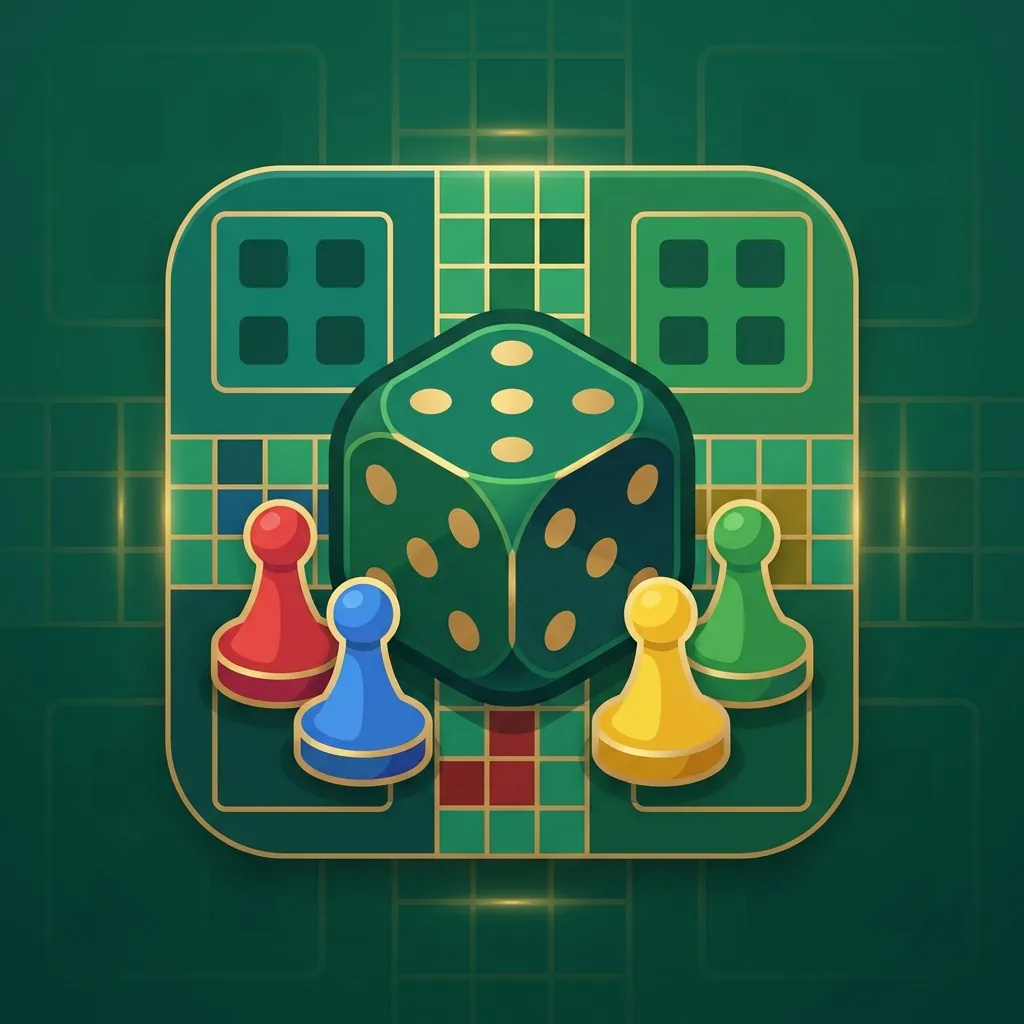
A traditional Ludo board is divided into coloured starting areas, a shared movement track and finishing paths. Each player uses tokens of one colour and follows the route assigned to that colour.
Starting Area
The starting area is where a player’s tokens remain before they enter the main track.
Main Track
The main track is the shared route around the board. Tokens move along it according to the dice result.
Safe Spaces
Certain squares may protect tokens from being captured. Their positions and rules depend on the board or game version.
Home Path
The home path is the final route that leads a token towards its finishing area.
What Do You Need to Play Ludo?
A standard Ludo game uses a few simple components. Digital versions usually display these elements directly on the screen.
Dice
Determines how many spaces a token can move during a turn.
Tokens
Each player moves their coloured pieces around the board.
Board
Provides the starting areas, movement route and home paths.
How to Play Ludo
The following steps describe a common traditional version of Ludo. A digital platform may use a different setup or additional rules, so check its instructions before starting.
Choose a Colour
Each player selects an available colour and receives the tokens assigned to that starting area. Traditional versions commonly support two to four players.
Roll the Dice
Players take turns rolling the dice. The number displayed determines the movement available for an eligible token.
Bring a Token onto the Board
In many standard versions, a player needs to roll a six to move a token out of the starting area. Some versions may use different entry rules.
Move Along the Track
Move an eligible token around the board according to the dice result. Players may have a choice between multiple tokens when more than one move is possible.
Watch for Opponent Tokens
In common rules, landing on an opponent’s token on a non-safe square can send that token back to its starting area. Safe-square and capture rules vary.
Reach the Home Area
Guide each token along its home path. Many versions require an exact dice result to enter the final home position.
Basic Ludo Rules to Understand
Before playing, it helps to understand the rules that affect token movement and the progress of a game.
| Rule | How It Commonly Works |
|---|---|
| Token entry | A six is commonly required to bring a token out of its starting area. |
| Dice movement | A token moves forward by the number shown on the dice. |
| Capturing | Landing on an opponent’s token may send it back to its starting area. |
| Safe squares | Some board positions protect tokens from capture. |
| Extra turn | Rolling a six may grant another turn in many versions. |
| Finishing | An exact dice result may be needed to move a token into the final home position. |
This table describes common traditional rules, not a guaranteed rule set for every Ludo game. Check the instructions of the specific version you use.
Simple Ludo Tips for Beginners
Ludo involves dice rolls, so players cannot control every movement. However, understanding the board and considering available moves can help beginners make more informed decisions.
Understand the Board First
Learn where the starting areas, safe squares and home paths are located before making your moves.
Consider Each Available Token
When more than one token can move, consider how each option affects your position on the board.
Pay Attention to Opponents
Notice nearby opponent tokens and understand which squares are safe in the version you are playing.
Read the Version-Specific Rules
Check how the game handles sixes, captures, safe spaces, extra turns and the final home move.
Ludo on the Yono Rummy Platform
Ludo is listed among the game categories associated with the Yono Rummy platform. It is a board-game category alongside card-game and other entertainment categories.
The exact Ludo format, player options, room types, entry requirements and platform-specific rules should be checked within the application. This guide does not assume that every traditional Ludo rule is used in the platform version.
Check the Game Details Before You Play
Review the available instructions, participation conditions and any applicable costs shown in the application. Do not rely on general Ludo rules as a substitute for platform rules.
Responsible Gaming
Ludo can be played as a casual board game, but digital versions may have different participation models. If a version involves deposits, paid entry or real-money outcomes, understand the financial risks before participating.
Only adults aged 18 or above should consider real-money gaming, and only where it is permitted by applicable local laws. Set personal limits, avoid chasing losses and take a break if playing stops being enjoyable.
Ludo Game FAQs
What is the main objective of Ludo?
In common versions, the objective is to move all your tokens around the board and bring them to the home area before the other players.
How many players can play Ludo?
Traditional Ludo commonly supports two to four players. Digital versions may offer different player formats.
Do you need a six to start in Ludo?
Many standard versions require a six to bring a token out of its starting area. However, entry rules can differ between versions.
Can a Ludo token be captured?
In common rules, landing on an opponent’s token on a non-safe square can send it back to its starting area. Some versions use different capture rules.
What are safe squares in Ludo?
Safe squares are designated board positions where tokens are protected from capture under the applicable rules.
Does Yono Rummy include Ludo?
Ludo is listed among the game categories associated with Yono Rummy. The exact format and rules should be checked in the application.
Do all Ludo versions use the same rules?
No. Rules for token entry, safe squares, extra turns, captures and finishing can vary. Always read the rules provided with the version you are playing.
Discover More Game Guides
Browse other game categories and read their basic rules, gameplay explanations and useful information.
Browse All Games